
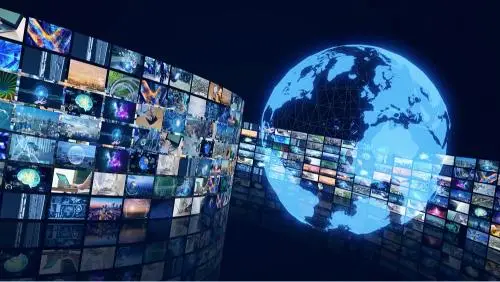


The characteristics of mass communication define how information is transmitted to a large and diverse audience through various media platforms like television, radio, newspapers, and digital channels. Mass communication refers to the process of disseminating messages to a broad public, enabling people to stay informed, educated, and entertained. It influences public opinion, spreads awareness, and connects individuals across different regions and cultures.
With the help of mass media communication, information can reach millions simultaneously, shaping perceptions and fostering engagement.
In this article, we will explore the key features of mass communication, how it functions, and its significance in today’s interconnected world.
Table of Contents:
- Large and Heterogeneous Audience
- Using Mass Media Technologies
- One-Way Communication with Limited Feedback
- Professional and Institutionalized Content Creation
- Gatekeeping and Editorial Control
- Delayed and Indirect Feedback
- Geographical and Temporal Flexibility
- Influence on Public Opinion and Culture
1. Large and Heterogeneous Audience
One of the primary characteristics of mass communication is its ability to reach a vast and diverse audience. Interpersonal communication is when people talk to each other in a small group. In contrast, mass communication reaches many people from different backgrounds, locations, and cultures.
Key Aspects:
- Audiences include people of different ages, education levels, and social backgrounds.
- The content is designed to be universally understandable and relatable.
- Media platforms reach millions of people at the same time, enabling information sharing more quickly and effectively.
Example: Television broadcasts like the FIFA World Cup or the Olympics attract a global audience, demonstrating the wide reach of mass communication.
2. Using Mass Media Technologies
Mass communication heavily relies on technological advancements to distribute information. From traditional print media (newspapers, magazines) to electronic media (radio, television) and now digital media (social media, websites, podcasts), communication has evolved to meet the needs of modern audiences.
Key Aspects:
- Print media (newspapers, books, pamphlets) has historically been a strong medium for mass communication.
- Electronic media like radio and television made it easier for people to access news and entertainment, reaching more audiences.
- Digital media (websites, social platforms) has revolutionized mass communication, providing real-time updates and interactive content.
Example: Platforms like YouTube, Twitter, and Facebook enable users to consume and share content globally within seconds.
3. One-Way Communication with Limited Feedback
Mass communication is typically a one-way process where the sender delivers information to a passive audience. Unlike face-to-face communication, where feedback is immediate, mass communication offers limited direct interaction.
Key Aspects:
- Television and radio broadcasts do not allow instant feedback from the audience.
- Newspapers and magazines provide information without expecting direct responses from readers.
- Digital media has reduced this gap by enabling comments, likes, and shares, but feedback remains less immediate compared to personal communication.
Example: A news anchor on television delivers the news without real-time interaction with viewers, unlike a conversation between two individuals.
4. Professional and Institutionalized Content Creation
Mass communication involves professionally produced content by trained journalists, writers, editors, and media professionals. Unlike personal communication, which is informal, mass communication follows a structured process to ensure accuracy, credibility, and engagement.
Key Aspects:
- Media houses, news agencies, and entertainment companies are responsible for content production.
- Journalistic ethics and editorial standards ensure fact-based and objective reporting.
- Gatekeeping mechanisms filter and refine information before it reaches the audience.
Example: The BBC, CNN, and The New York Times follow strict journalistic guidelines to deliver
reliable news worldwide.
5. Gatekeeping and Editorial Control
Gatekeeping refers to the process through which media organizations control the flow of information before it reaches the public. Editors, producers, and policymakers decide what content is relevant, credible, and suitable for publication or broadcast.
Key Aspects:
- Media houses prioritize certain news stories over others based on relevance and audience interest.
- Ethical considerations, political influences, and corporate interests may shape content selection.
- With the growth of social media and independent reporting, conventional media gatekeeping has been challenged, leading to freer content distribution.
Example: News channels selectively cover stories based on editorial policies, audience demand, and political affiliations.
6. Delayed and Indirect Feedback
Audiences’ feedback is often delayed and indirect. Unlike interpersonal communication, where responses are immediate, mass media feedback mechanisms include letters to the editor, social media comments, surveys, and audience ratings.
Key Aspects:
- Traditional media (TV, newspapers) relies on indirect audience response through subscriptions and ratings.
- Digital media platforms (Twitter and YouTube) allow faster feedback via comments, reactions, and discussions.
- Despite technological advancements, feedback in mass communication remains largely asymmetrical.
Example: A viewer may write a letter to a newspaper editor about a published article, but the response might take days or weeks.
7. Geographical and Temporal Flexibility
Mass communication is not bound by geographical constraints, allowing messages to be disseminated across different regions and time zones. Additionally, with recorded and digital formats, audiences can access content at their convenience.
Key Aspects:
- News can be broadcast globally within seconds through satellite and digital networks.
- Streaming services allow audiences to watch TV shows, movies, or news reports at their preferred time.
- Digital platforms ensure round-the-clock access to information, reducing dependency on live broadcasts.
Example: Online news portals like BBC and Al Jazeera provide 24/7 global news coverage, ensuring real-time accessibility.
8. Influence on Public Opinion and Culture
Mass communication plays an important role in molding public opinion, influencing cultural norms, and driving social change. Media coverage can sway political elections, impact consumer behavior, and create awareness about important social issues.
Key Aspects:
- News coverage influences political perspectives and voting behaviors.
- Advertisements shape consumer preferences and purchasing decisions.
- Social media campaigns raise awareness about social issues such as climate change and human rights.
Example: The #MeToo movement gained global traction through mass media, leading to significant social and legislative changes.
Conclusion
Mass communication is an essential pillar of modern society, facilitating the widespread dissemination of information, entertainment, and cultural narratives. Its defining characteristics—large audience reach, reliance on technology, professional content production, gatekeeping, and societal influence—highlight its power and significance.
As technology continues to evolve, mass communication will become even more interactive, dynamic, and personalized, further transforming how we consume and share information globally.
If you’re passionate about media, journalism, and the power of mass communication, take the next step in your career with a top-quality education. Apeejay Institute of Mass Communication (AIMC) offers specialized courses in journalism, advertising, public relations, and digital media to equip you with the skills needed for success in the media industry.
Join AIMC today and become a media professional!
Learn from industry experts, access modern media labs, and gain hands-on experience.
Apply Now to kickstart your journey in mass communication!